
Via: Music Streaming
Interface
Brand
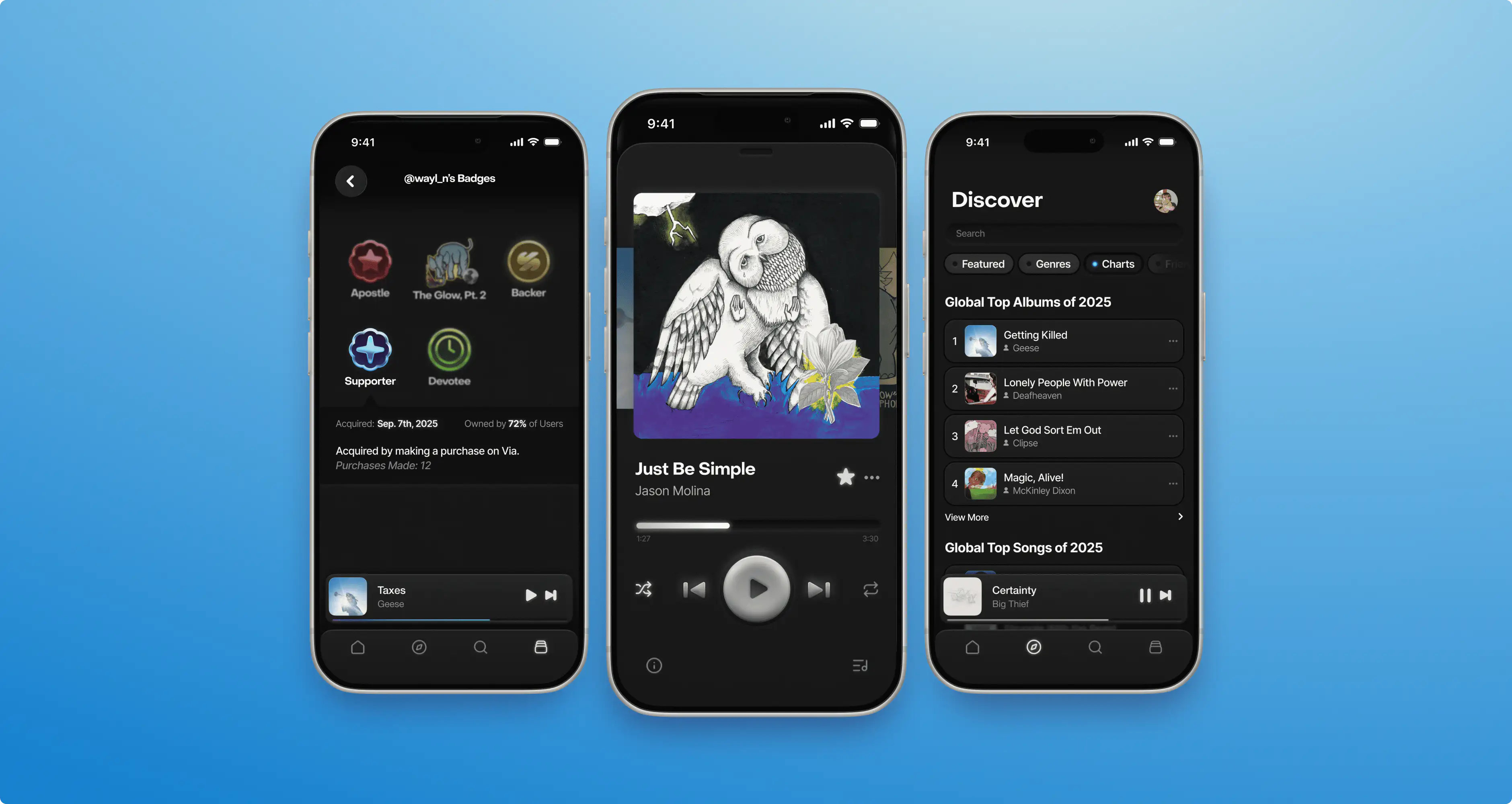
Via seeks to reset the music streaming meta and make room for a deeper connection to music. Users are encouraged to discover music, support artists, and connect with friends. It is tied together with a unique UI that makes it stand out from existing platforms.
The Problem
The present music streaming paradigm is extremely hyper‑optimized. While this makes for an excellent business model, it’s less than ideal for building meaningful relationships with the art from which this entire industry is built on.
Algorithms are supposed to magically know what users want to listen to, but in actuality prioritize retention by giving the safest recommendations possible. Compounding this is the nature of streaming services being highly noncommittal, with users being able to cycle through every song ever made on a whim. Artists are also often paid very little for their work. This economic pressure doesn’t drive them to make better art, rather it drives them to tailor their work to appease discovery algorithms in hopes of getting more exposure.
Art risks getting compromised when money becomes the primary motivator over creative expression. I believe these hyper-optimized platforms are harmful for artists, listeners, and the music that has shaped our culture.
A Solution
In order to build a better platform, one must move away from such optimization towards something slower; more human. However, users don’t want to feel like they’re moving backwards. The challenge now is to find a solution that bridges the gap between the convenience of existing streaming models and something more fulfilling, albeit clunky.
That’s where Via comes in; a platform that allows anyone to stream music as they would anywhere else, but equipped with tools to encourage users to slow down and get more out of their music. Algorithms are almost entirely replaced by community-driven discovery features, making finding new music more engaging and rewarding (similar to platforms like Rate Your Music or AOTY). Users on Via can also choose to purchase music to support their favorite artists and in turn gain special perks they can use on the platform.
User Base
Via’s early adopters are going to be mostly music enthusiasts, people who already care more than the average listener. These people attend shows, collect records, read about artists, and are already likely against the current state of streaming. They tend to be younger and more progressive, but what they have in common is a desire for something richer. What’s special about this crowd is that they tend to be trendsetters: what they do now shapes what reaches the mainstream in the future.
Design Strategy
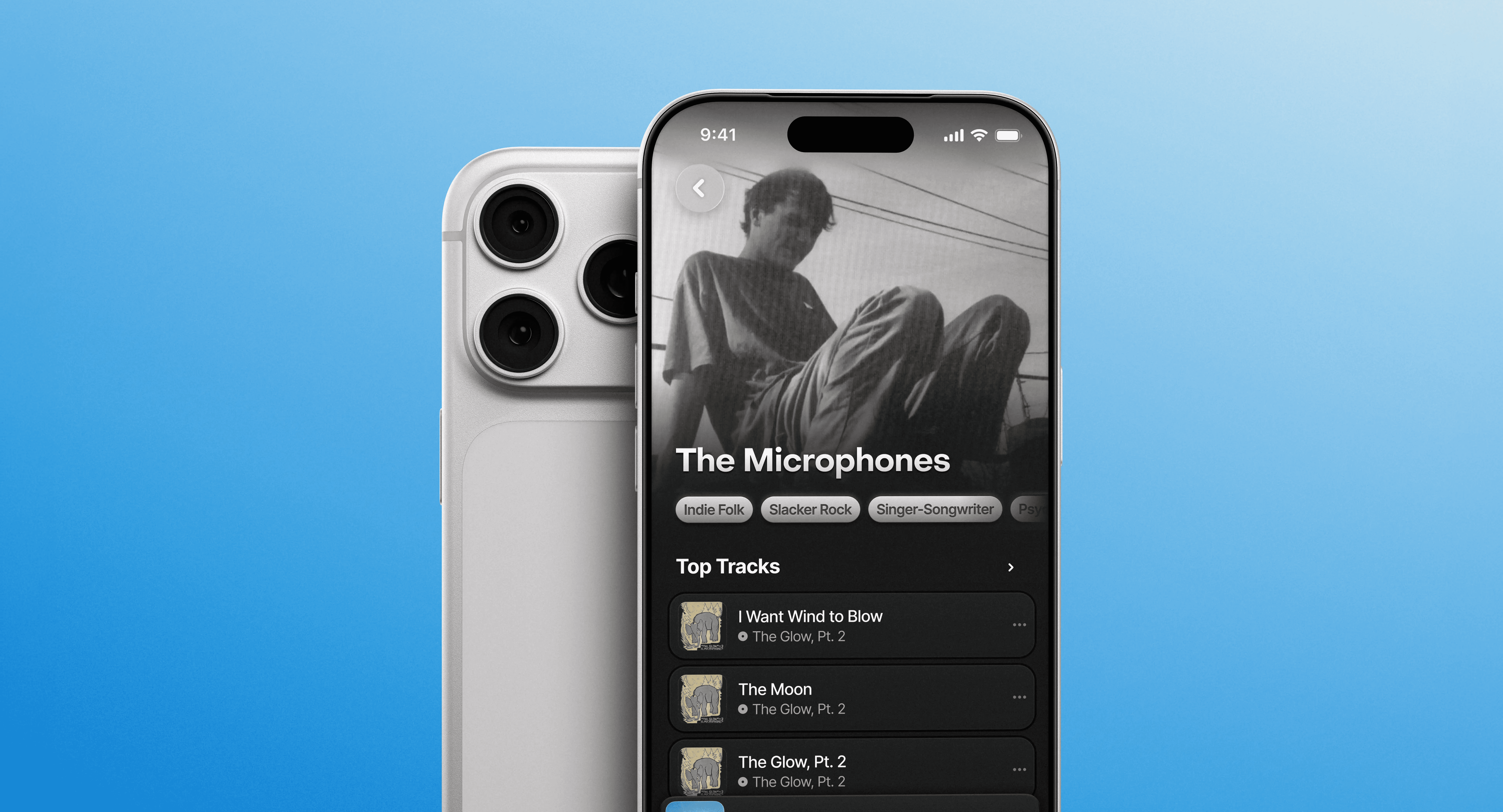
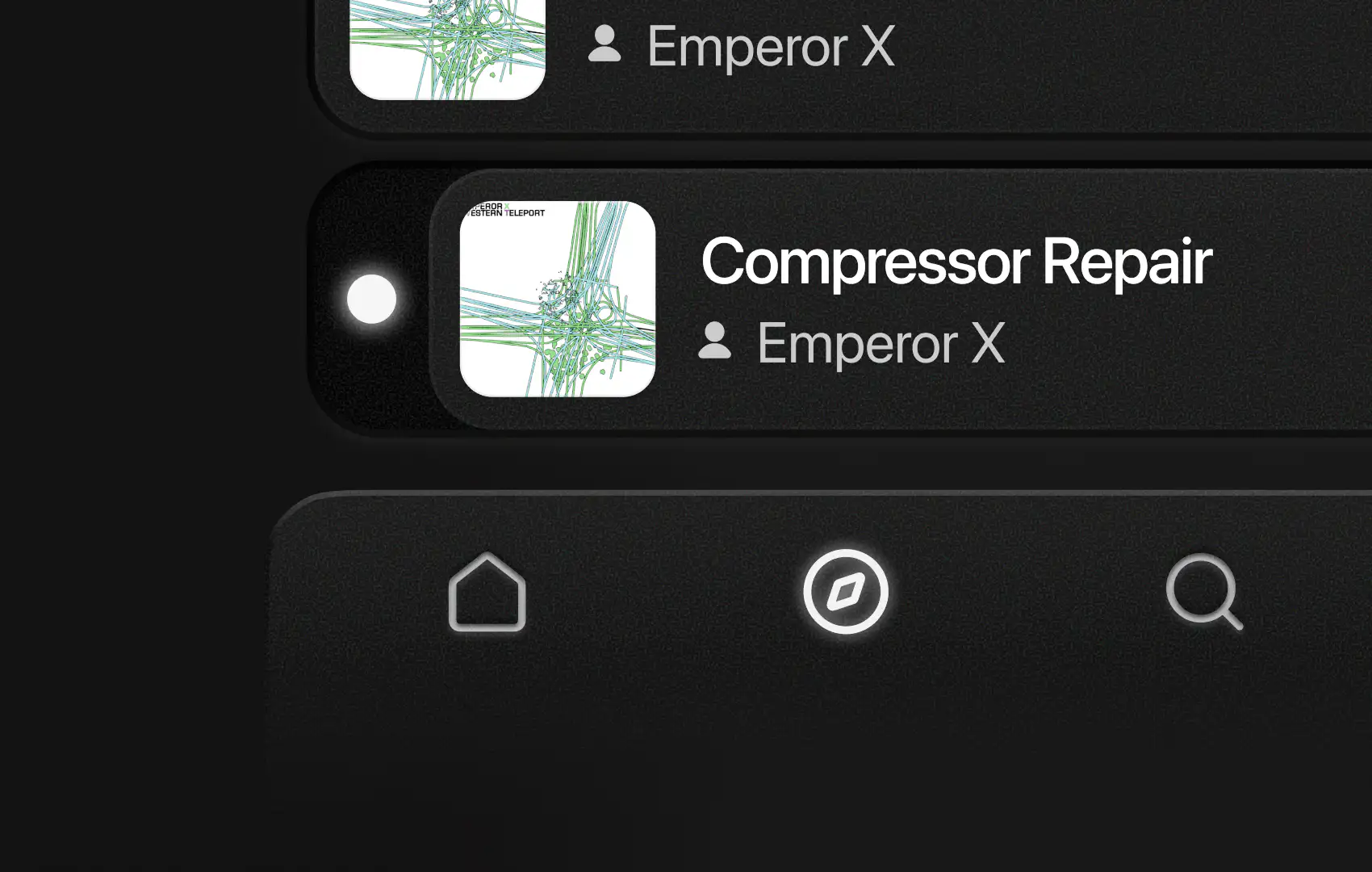
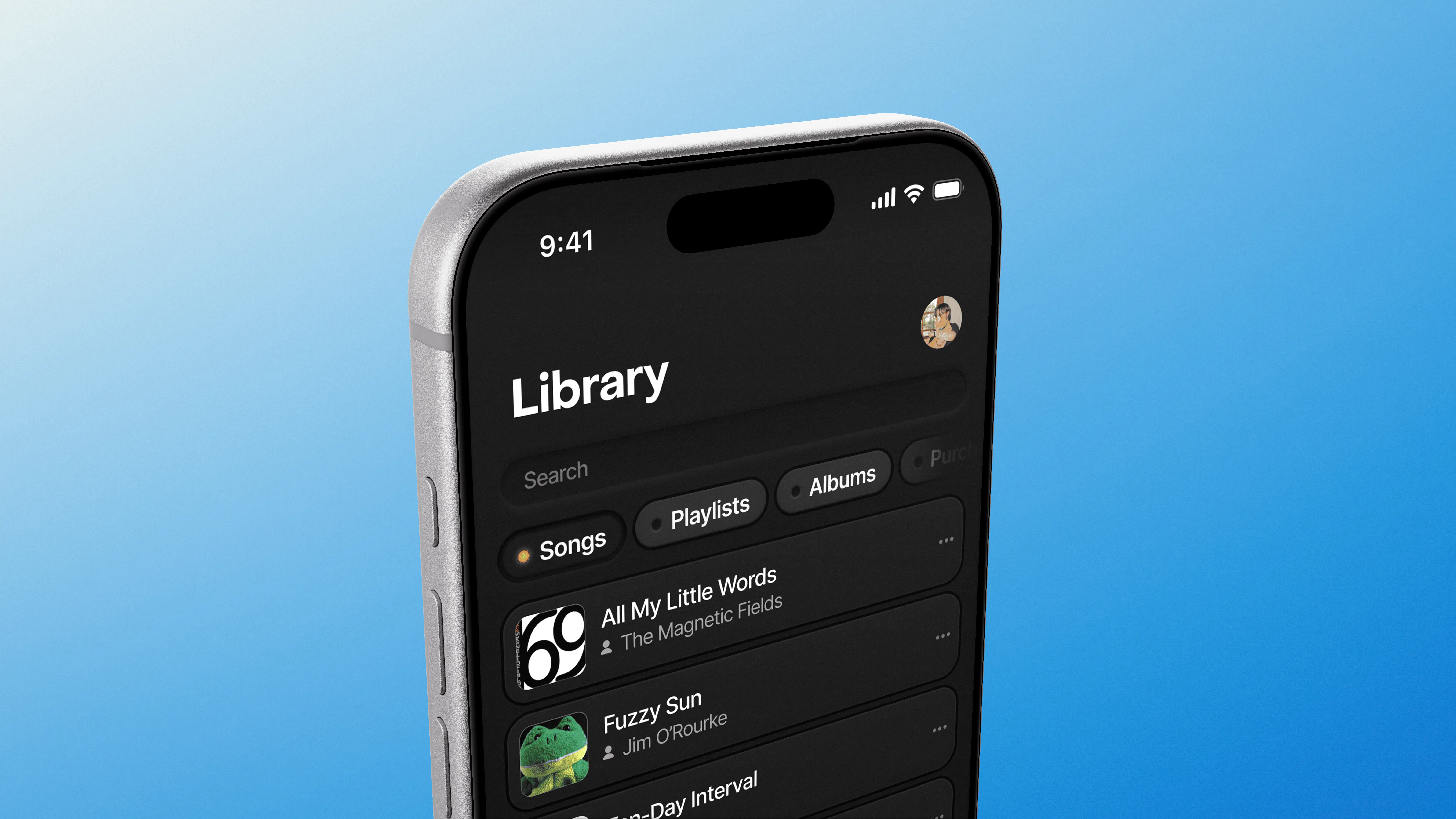
In order to draw users in, Via must be designed well and with intention. Via’s interface was designed to be highly interactive, tactile, and slick. Drawing inspiration from VST plugins, skeuomorphism/neumorphism, and physical audio equipment, Via seeks to simultaneously be both refreshing and familiar while still being functional and intuitive.
Video Advert
Here is a short marketing video I put together in After Effects set to Cannonball by The Breeders to show a little bit of Via in action.
Demo
A short video demonstrating the core features of Via. You can also play with the Figma prototype here ↗.

Brand Assets
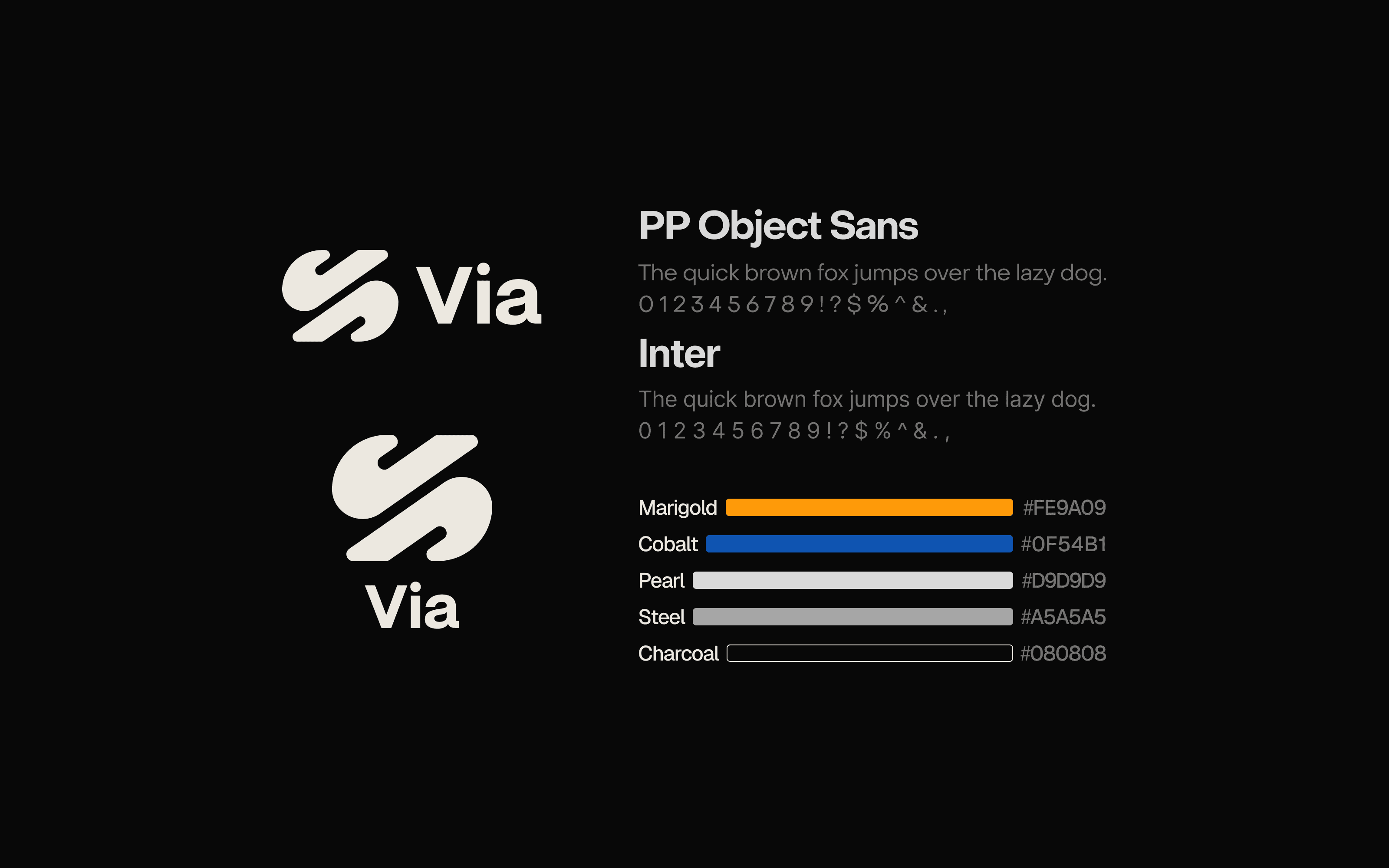
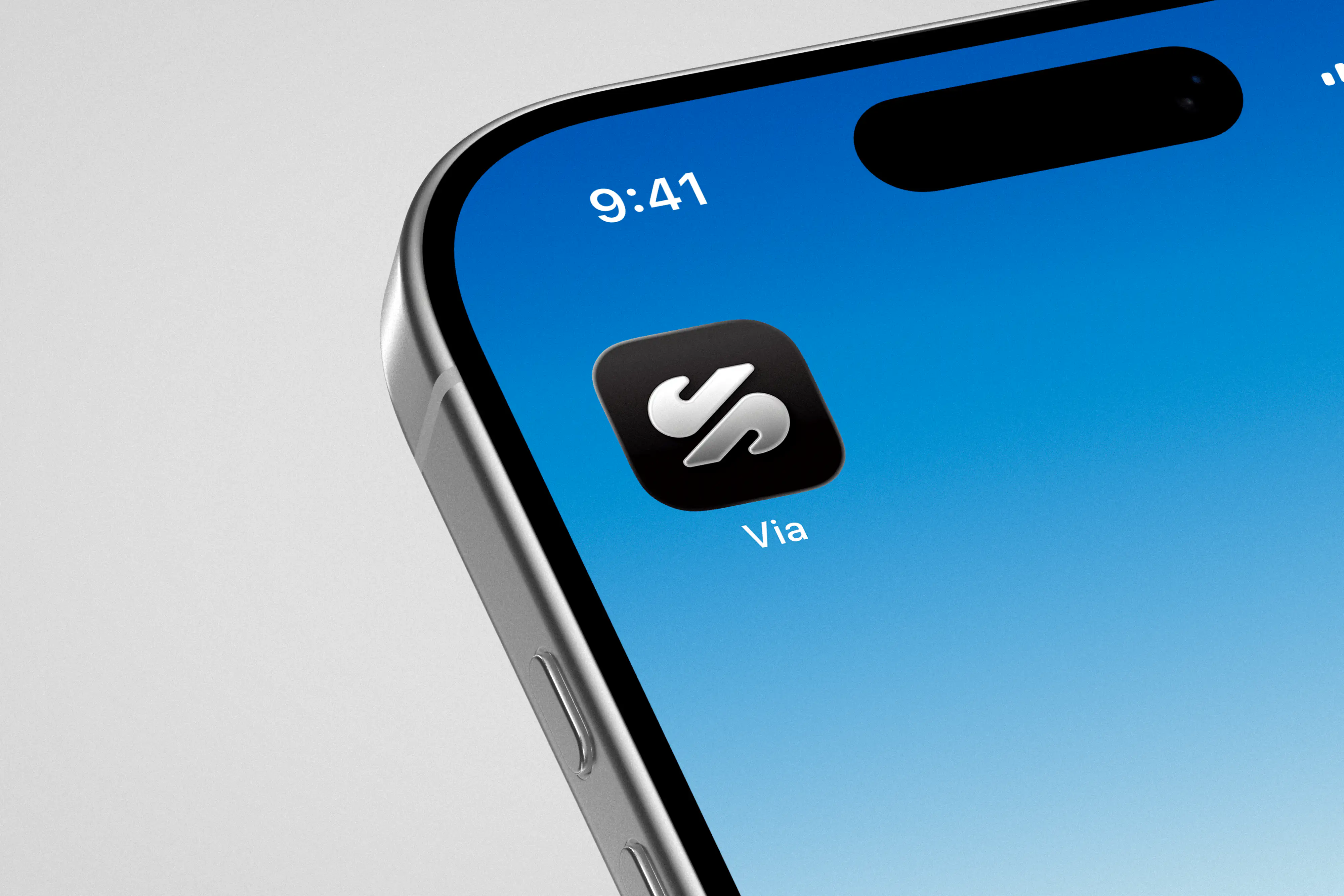
Via’s logo is an abstract symbol loosely comprised of the letters V and A. This logo is often in motion, with the two shapes flying in and snapping together. Colors are primarily shades of black, white, and grey, with hits of orange and blue when color-coding is needed. Typography is all sans-serif, with the fun Object Sans for headers and highly-legible Inter for the rest of the interface.